Kydo Robotics

First season in the vineyard, spring 2027

IT EN

Safe Power, Smart Farming.

From above you see the vineyard.
Up close you see the vine.

Kydo Robotics develops ground-based systems for close-range surveying in vineyards and orchards, and brings to Europe hybrid and full-electric propulsion technologies built around operator safety. Our machines travel the inter-row and return the canopy wall plant by plant, with georeferenced data that stays comparable season after season: the level of detail observation from above cannot reach.

Get in touch Wineries, fruit growers and drone service operators.

What we are working on now

Close-range surveying

The wall of leaves and fruit seen up close, plant by plant, with its own lighting and an on-board weather unit. Every survey carries a date and a position, so the same vine can be found again on the next visit.

Next step, after the first season in the vineyard

Safe electrification

Hybrid and full-electric at low voltage, where the safety of the person operating the machine comes before performance. Full-electric is the destination; hybrid is the step that makes it workable today without sacrificing the working day.

In parallel: choosing our partners

International industrial network

Development and sourcing alongside selected technology partners, mainly in Asian manufacturing hubs. Final assembly, testing and manufacturer responsibility remain in Europe.

Data at the scale of the single plant

The agronomic decisions that matter are taken one plant at a time. The rover works at that scale.

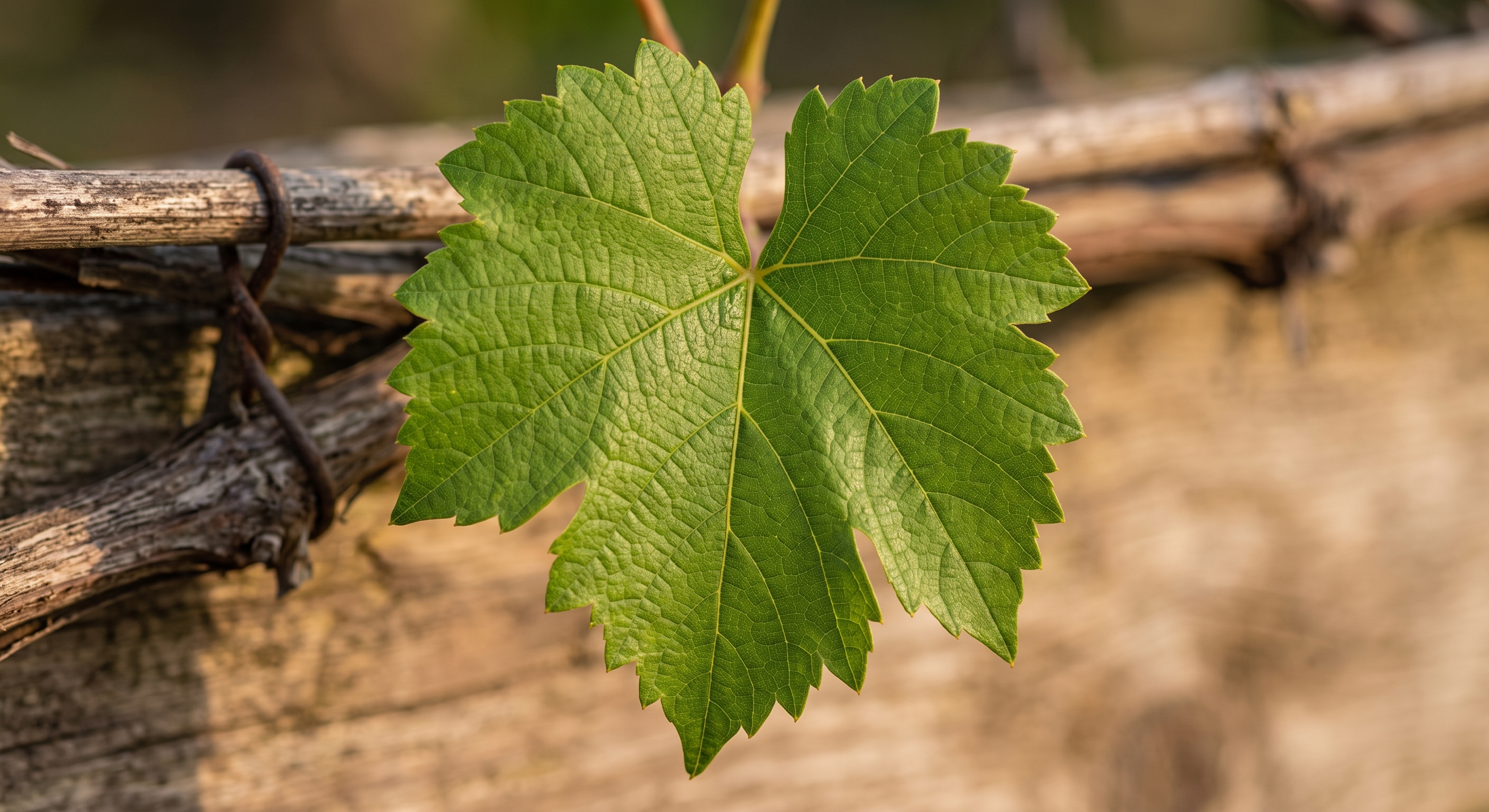
Grapevine leaf photographed at close range

The fruiting zone, seen from the side

Fruit and symptoms sit on the vertical canopy wall, beneath the upper leaves. The rover captures them up close and at a constant distance as it travels the inter-row, in the position where they appear.

Surveys you can compare

Its own lighting makes acquisitions comparable in low-light hours, at dawn, at dusk and at night. Two passes weeks apart remain readable side by side.

The microclimate of your rows

Temperature, humidity, rainfall and leaf wetness recorded along the whole route. A profile of the vineyard rather than the single reading of a fixed station, which is what forecasting models ask for as input.

Every vine has a history

Every acquisition comes out dated and georeferenced, so the next visit returns to the same plant. It is the register of the vineyard, built season after season.

From the satellite to the single vine

The rover is the last step, not the first. The vineyard is read from above and the weather data are read first; only then do we come down to the plant. The three levels end up in a single periodic bulletin that says what is worth doing now.

  1. The whole vineyard, from the satellite

    A public satellite passes over the vineyard every few days and measures how much green there is. The record goes back to 2017: each season is compared with the previous ones and with the surrounding countryside, which shows whether a decline concerns your vineyard alone or the whole area, and where it is worth going to look.

  2. The risk, from the weather

    Temperature, humidity, rainfall and leaf wetness feed the forecasting models, which indicate when conditions favour downy and powdery mildew. This is the data that allows you to move before the disease becomes visible.

  3. The single plant, from the ground

    Close-range capture, on foot today and with the rover from spring 2027, reaches the individual vine. This is the scale at which leaf symptoms appear, such as the tiger-stripe pattern of esca, and the level that makes it possible to return to the same vine on the next visit.

The bulletins we deliver stay private. Ask for an anonymised sample

In development, patent application filed

UV-C light against powdery mildew, with no residue

Powdery mildew calls for a long series of treatments every season, organic vineyards included. We are developing a UV-C module to be mounted on the rover which, at night, exposes leaves and fruit to brief doses of ultraviolet light as it travels the row.

Vineyard trials carried out by international research show that, applied in darkness, this light suppresses powdery mildew without affecting vine growth or yield, and without leaving anything on the fruit. It is a concrete route to using fewer plant protection products, with a treatment carried out in the same hours of darkness in which the rover is designed to work.
Complementary to aerial surveying, not an alternative to it.

Flying solves the scale of the field. The rover closes the gap that flying leaves behind.

Get in touch